

Complete Rehabilitation Projects Solutions
We offer a comprehensive rehabilitation physiotherapy equipment system that can meet most requests of rehabilitation centre, rehabilitation hospitals and physiotherapy clinics. Rehabilitation projects for various terminal institutions, including medical institutions, disabled persons' federations, and civil affairs systems.
If you have purchasing list of rehabilitation physiotherapy equipment, you could send it to us directly, we will make offer to you. If you do not have purchasing list, we could send our catalog to you, then you choose which equipment you need.
Here, we show some of our rehabilitation physiotherapy programs.
Comprehensive Rehabilitation Physiotherapy Project
Pain Rehabilitation Project
Neurological Rehabilitation Project
Respiratory (pulmonary) Rehabilitation Project
Orthopedic Rehabilitation Project
Postpartum Rehabilitation Project
Critical Care Medicine Rehabilitation Project
Burn Rehabilitation Project
Elderly Rehabilitation Project
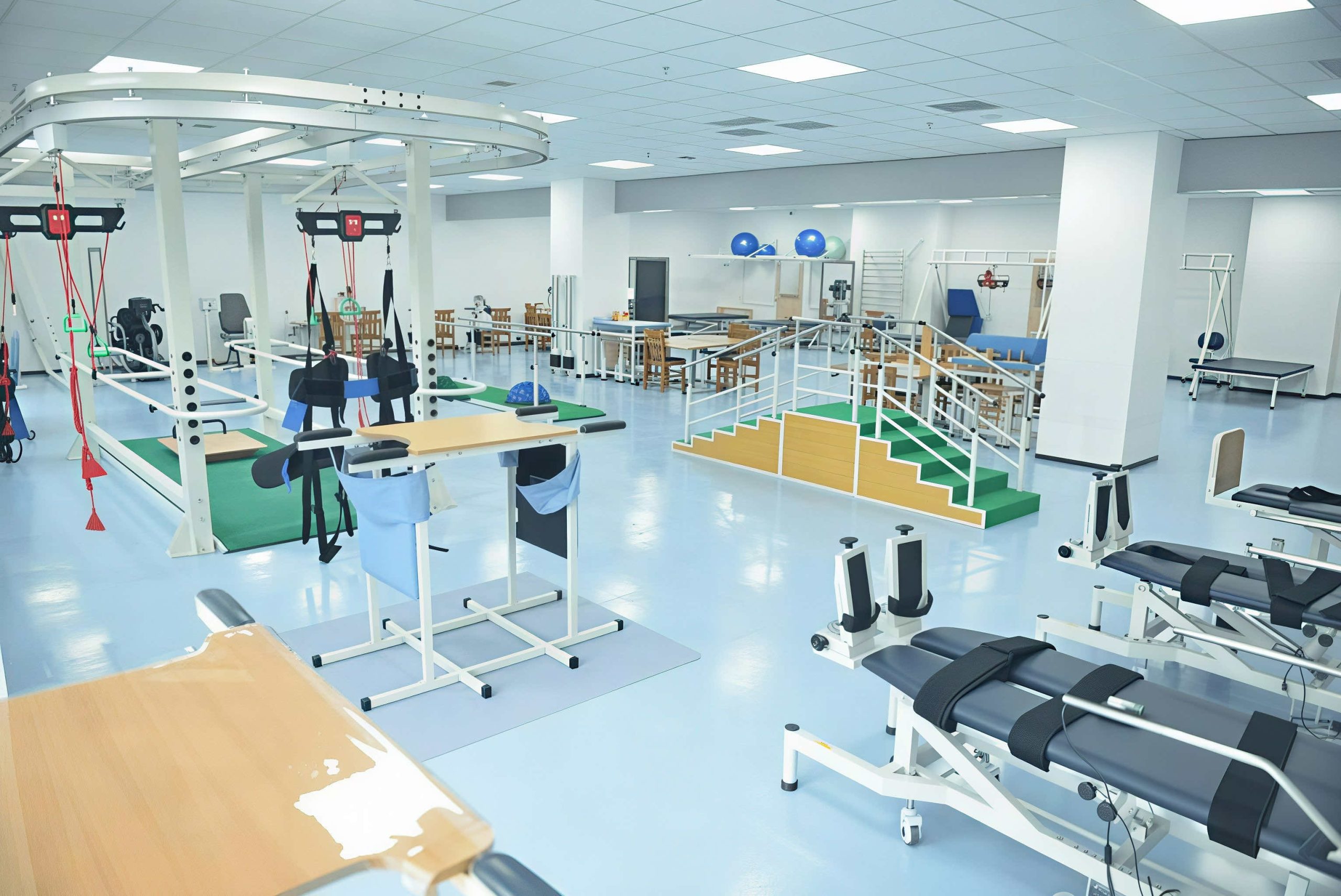
Comprehensive Rehabilitation Physiotherapy Program
Rehabilitation physiotherapy is a specialized therapeutic discipline dedicated to restoring and optimizing patients’ physical and psychological functions affected by injury, disease, surgery or aging.
The core objective is to help patients regain maximum independence in daily living, learning, occupational work and labor capacity via systematic training and professional therapeutic intervention. It supports patients to smoothly reintegrate back into family and social life, ultimately elevating their overall quality of life.
This comprehensive program incorporates a full suite of advanced rehabilitation modalities, including low-frequency electrotherapy, intermediate-frequency electrotherapy, high-frequency electrotherapy, phototherapy, magnetic therapy, hyperthermia, acoustic therapy and more.
As non-pharmacological intervention approaches, these physical therapies carry lower risks and superior safety profiles compared with pharmaceutical treatments, while delivering reliable, measurable therapeutic outcomes. They avoid the potential side effects brought by medications, which makes them highly favored by clinicians and patients alike.
Nowadays, rehabilitation physiotherapy has evolved into one of the mainstream, evidence-based rehabilitation treatment approaches adopted by medical and rehabilitation institutions globally. Our complete equipment package can support you to build a full-function comprehensive physiotherapy rehabilitation center, covering assessment, treatment and functional training for a wide range of patient groups.
Main equipment for rehabilitation physiotherapy program
Parallel bars
Help patients walking and standing training Stairs: help patients up and down stairs training
Unweighting gait system
Help patients standing and walking training by unweighting system, it can combine with treadmill and exercise bike When you purchase it, need to notice its load capacity, width and frame material, normally aluminum alloy is the best
Medical treadmill
Help patients improve endurance. It is different with common treadmill, its lowest speed is only 0.1km/h, special for patients
Quadriceps bench
Improve quadriceps mobility Rehabilitation physical therapy
Wall bar
Improve upper limb mobility, it needs to be installed on wall Shoulder wheel: improve shoulder joint rotation ability, it needs to be installed on wall
Multifunctional exercise frame
If you don’t want to install equipment on wall, then could choose it, it includes 8 types different exercisers for upper limb, also could do some traction training
Active passive trainer
Help patients do exercise for upper limb and lower limb Need to distinguish between gym or home use type and medical type
Knee CPM
Help patients do leg exercise when lying in bed knee Continuous Static bike: Suitable for patients who could do exercise by themselves
OT therapy table
This table includes 13 types different OT tools, mainly for finger exercise
Tilt table
Help patients standing training When you purchase it, need to notice its load capacity, foam thickness
Physiotherapy table
Physiotherapist will do some manual therapy for patients. When you purchase it, need to notice its length, load capacity, foam thickness
Dumbbells
Do some strength training It is different with gym use or home use type, it has light weight, special for patients
Mirror
Mirror with grid, convenient to adjust exercise posture of patients
Pain Rehabilitation Project
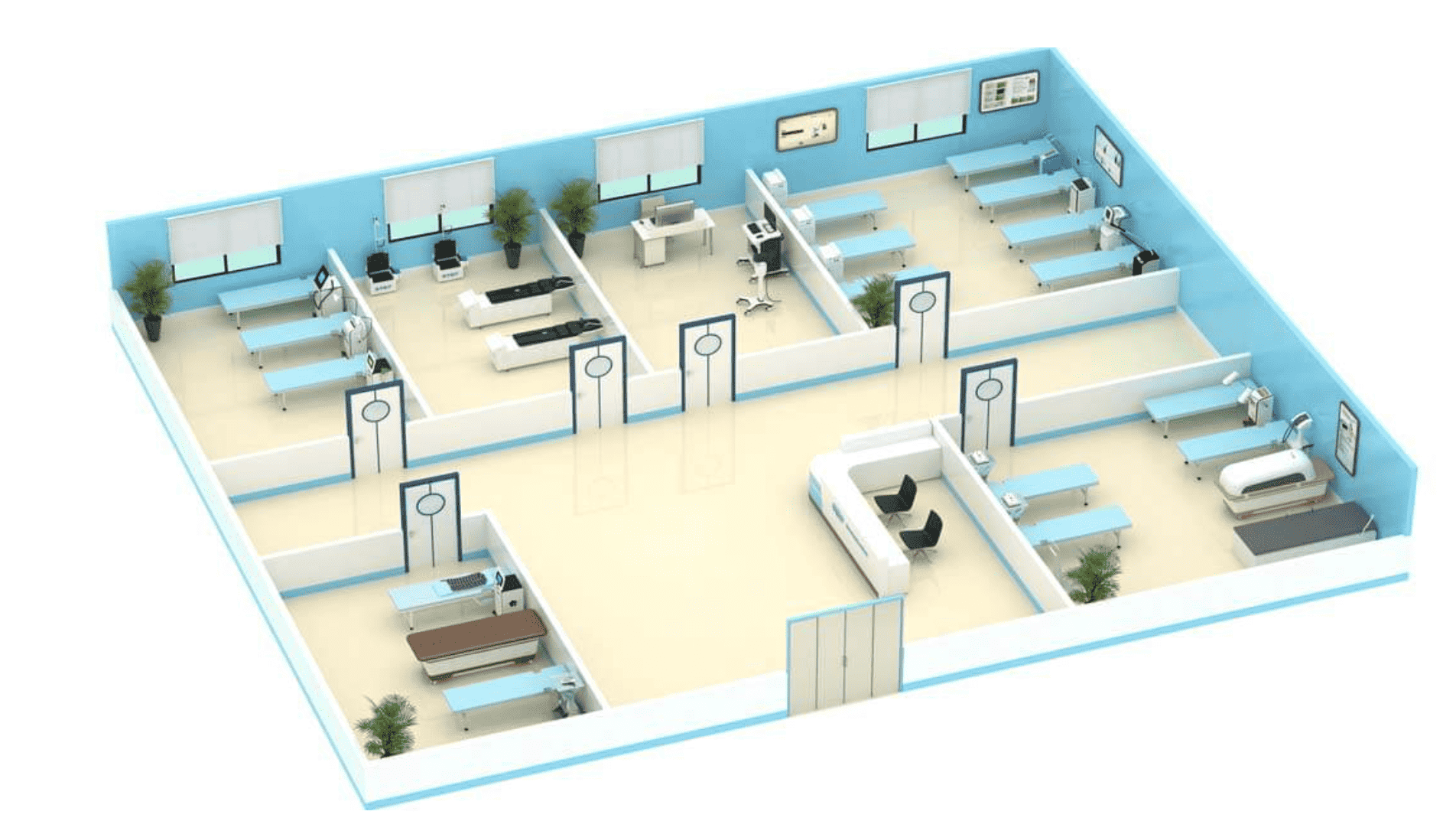
We provide a one-stop physiotherapy solution for pain rehabilitation with an innovative "four-in-one" clinical system: pain prevention, diagnosis, management and rehabilitation.
1. Spinal Conditions (Cervical Spondylosis, Lumbar Disc Herniation and More)
Recommended Equipment: Intermediate Frequency Spinal Physiotherapy System, 3D Dynamic Interferential Current Therapy Device, Intelligent Moxibustion Bed
2. Joint Disorders (Knee Osteoarthritis, Frozen Shoulder, Tennis Elbow and More)
Recommended Equipment: Extracorporeal Shock Wave Therapy System, Laser Magnetic Field Therapy Device, Ultrashort Wave Therapy Device, Infrared Polarized Light Therapy Instrument
3. Soft Tissue Lesions (Myofascial Pain, Muscle Strain and More)
Recommended Equipment: Extracorporeal Shock Wave Therapy System, Laser Magnetic Field Therapy Device, Infrared Polarized Light Therapy Instrument, Ultrashort Wave Therapy Device
4. Immune & Metabolic Pain (Rheumatoid Arthritis, Gouty Arthritis and More)
Recommended Equipment: Intelligent Infrared Moxibustion Therapy Machine, Laser Magnetic Field Therapy Device, Ultrashort Wave Therapy Device, Infrared Polarized Light Therapy Instrument
5. Neurovascular Pain (Trigeminal Neuralgia, Post-Herpetic Neuralgia and More)
Recommended Equipment: Infrared Polarized Light Therapy Instrument, Intelligent Pain Therapy Device
6. Other Pain Symptoms (Dysmenorrhea, Chronic Pelvic Pain and More)
Neurological Rehabilitation Project
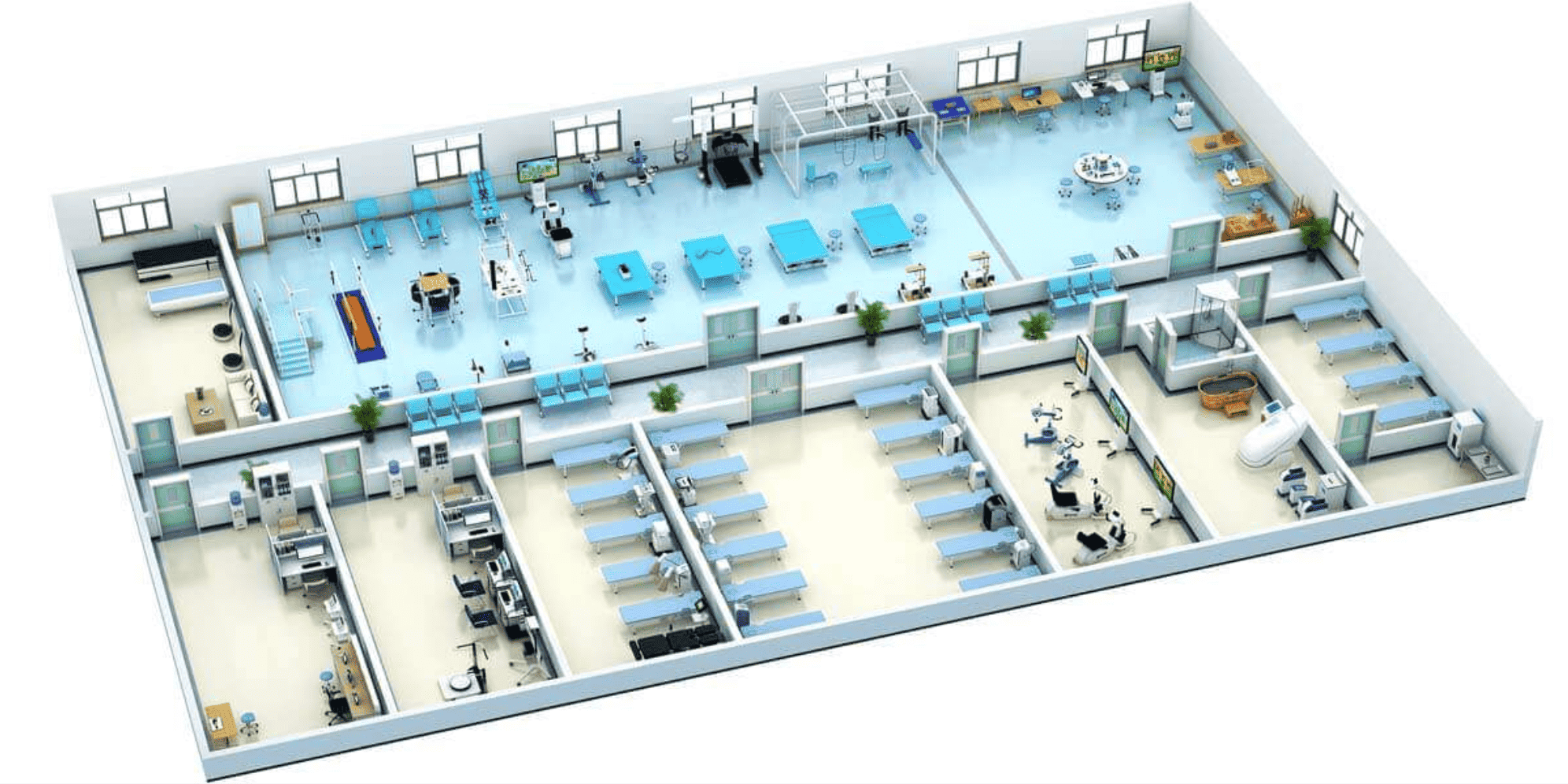
Below is drawing on professional medical resources and real patient experience.
Neurological rehabilitation is a systematic program designed to help patients with functional disorders caused by nervous system diseases or injuries recover their ability to live independently. Its core lies in early assessment, personalized plans and comprehensive treatment. A scientific rehabilitation plan is usually formulated by a multidisciplinary team including doctors and rehabilitation therapists. It mainly includes pharmacotherapy, physical therapy, exercise therapy and other treatments, following the principle of gradual progress.
Core Principles and Procedures of Neurological Rehabilitation
Neurological rehabilitation is not simply "doing physiotherapy" or "taking more exercise". It is a rigorous medical process. Many rehabilitation patients and their family members have shared their real experience, emphasizing that scientific rehabilitation needs to follow the principles below:
1. Diagnosis before rehabilitation
Before starting any rehabilitation training, doctors from the departments of neurology, orthopedics or rehabilitation must make a clear diagnosis to confirm the type, location and severity of nerve injury. This is the basis for developing an effective rehabilitation plan.
2. Seize the golden rehabilitation period
After nervous system injury, there is generally a "golden recovery window" (usually 3–6 months after onset). Rehabilitation should be initiated as early as possible once the patient’s condition stabilizes. It helps prevent muscle atrophy and joint stiffness and lays a foundation for subsequent recovery.
3. Individualized plan is the key
Every patient differs in condition, age and recovery stage, so rehabilitation plans must be individualized. Professional rehabilitation teams will conduct detailed functional assessments and customize exclusive rehabilitation plans based on the assessment results.
Four Core Pillars of Neurological Rehabilitation
A comprehensive neurological rehabilitation plan generally contains the following complementary and indispensable components:
• Pharmacotherapy: Nutrient supply for nerve repair
Under medical guidance, neurotrophic medication forms the basis of rehabilitation. Common drugs include mecobalamin and B vitamins, which provide essential "raw materials" for nerve repair and regeneration.
• Physical agent therapy: Auxiliary recovery via physical means
Physiotherapy (PT) is the cornerstone of rehabilitation. It promotes recovery through non-drug and non-invasive approaches.
• Exercise Therapy: The absolute core
Therapists guide patients to perform range-of-motion training, muscle strength training, balance training, gait training and more, aiming to restore limb strength and normal motor function. Training advances gradually, starting with passive movement and moving on to active movement.
• Physical Agent Modalities
Electricity, light, heat and other physical agents are used to reduce inflammation, relieve pain, boost circulation and facilitate tissue repair.
◦ Electrical stimulation: NMES (neuromuscular electrical stimulation) activates weakened muscles and prevents muscle atrophy; TENS (transcutaneous electrical nerve stimulation) is mainly for pain relief.
◦ Phototherapy: Infrared rays, ultrashort waves, etc., improve local blood circulation and reduce nerve edema.
◦ Thermotherapy / Cryotherapy: Cold therapy can control swelling in the acute phase; heat therapy relaxes muscles and relieves stiffness during the recovery period.
• Manual Therapy
Therapists use professional techniques such as joint mobilization and soft tissue massage to improve joint mobility and relieve pain.
• Occupational Therapy (OT): Return to daily life
Many patients can walk but cannot independently finish daily activities such as dressing, eating and washing. Occupational therapists deliver training focusing on hand function and activities of daily living, with the goal of helping patients regain self-care ability.
• Speech and Swallowing Therapy (ST): Resolve communication and feeding problems
For patients with slurred speech, aphasia or dysphagia, speech therapists provide specialized training including pronunciation, articulation and swallowing training to restore normal communication and feeding capacity. Delayed intervention for dysphagia can easily lead to aspiration pneumonia.
Common Misconceptions in Rehabilitation
Based on real experience shared by rehabilitants and family caregivers, please pay close attention to the following points to avoid detours:
• Myth 1: Rehabilitation equals machine therapy
Some family members think rehabilitation simply means receiving electrotherapy or heat therapy on equipment. In fact, effective rehabilitation focuses on professional manual therapy and active functional training; machine therapy mostly serves as an auxiliary method.
• Myth 2: Only acupuncture and massage are needed
Traditional Chinese therapies like acupuncture and massage can relax muscles and relieve discomfort, yet they cannot replace exercise therapy in modern rehabilitation, and cannot fundamentally restore limb function.
• Myth 3: The more pain during training, the better the outcome
Rehabilitation training should progress gradually within a tolerable range. If severe pain or persistent soreness lasting more than 24 hours occurs after training, stop immediately and consult a doctor.
• Myth 4: Long-term bed rest without movement
Prolonged bed rest and inactivity cause muscle atrophy and joint stiffness, which hinder recovery. Appropriate activities should be started early under medical guidance.
Neurological rehabilitation is a long and challenging journey requiring joint efforts from patients, family members and professional teams. Maintaining a positive attitude and adhering to scientific, standardized rehabilitation training is the key to functional recovery.
Respiratory (pulmonary) Rehabilitation Project Solution
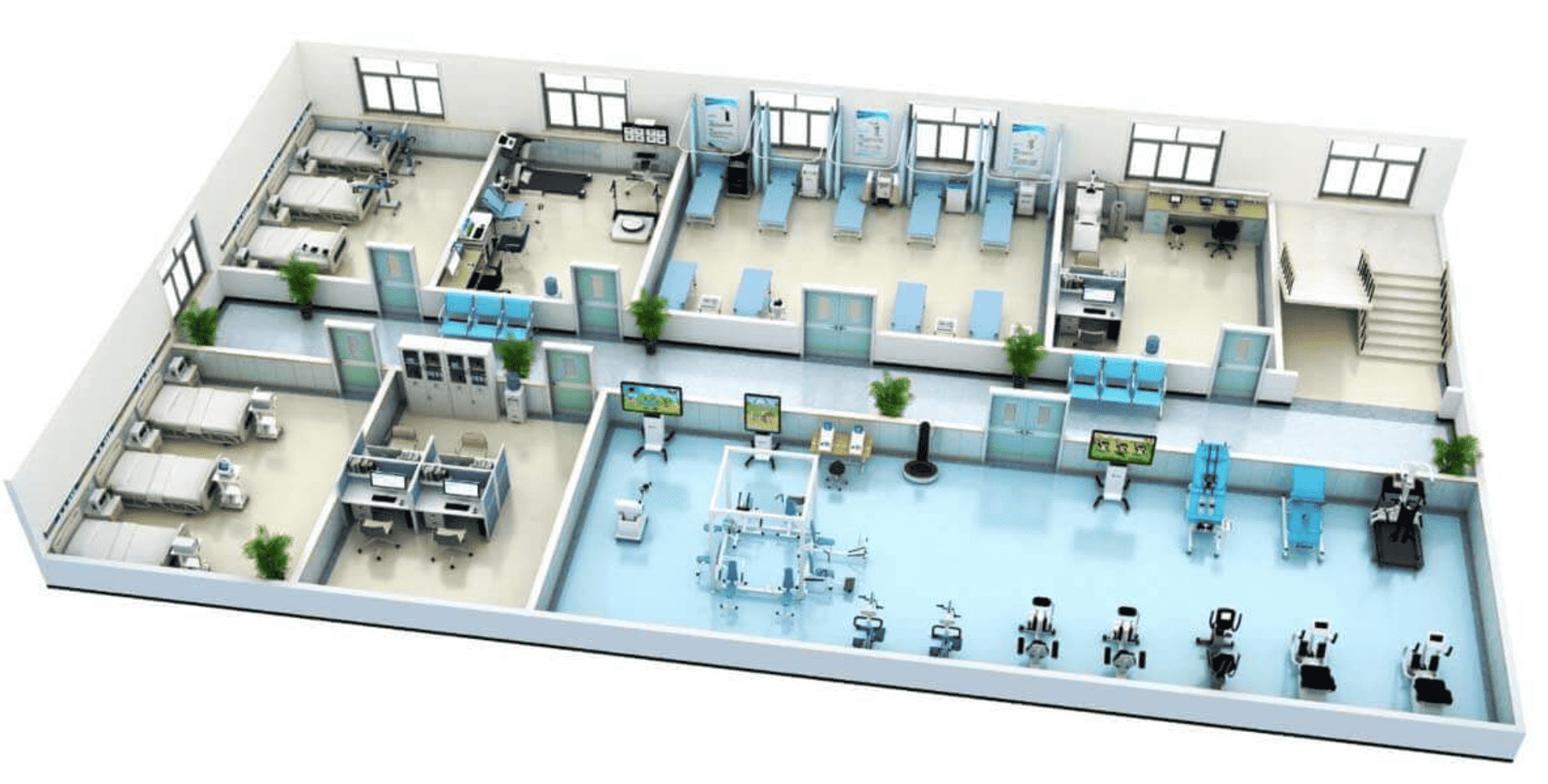
This solution delivers a comprehensive and integrated cardiorespiratory rehabilitation physiotherapy program. Cardiopulmonary rehabilitation is designed to enhance patients’ self-care capacity, relieve and manage clinical symptoms, reduce adverse impacts caused by illnesses and improve patients’ overall physical condition.
Applicable population: Patients with obstructive pulmonary disease, restrictive pulmonary disease, neuromuscular disorders and various other respiratory diseases.
Pulmonary rehabilitation is an individualized multi-intervention system implemented by a multidisciplinary team of rehabilitation physicians and respiratory therapists. The program includes respiratory function assessment, breathing training, sputum clearance management, exercise training, health education and nutritional guidance. It helps patients improve pulmonary ventilation efficiency, boost exercise tolerance, reduce the frequency of acute exacerbations, and return to daily work and life.
Rehabilitation follows a stepwise principle. Combined with physical agent therapy, airway clearance techniques and respiratory muscle training, the program alleviates discomfort such as shortness of breath and fatigue, lowers hospitalization rates, and continuously improves patients’ quality of life.
Orthopedic Rehabilitation Physiotherapy Project Solutions
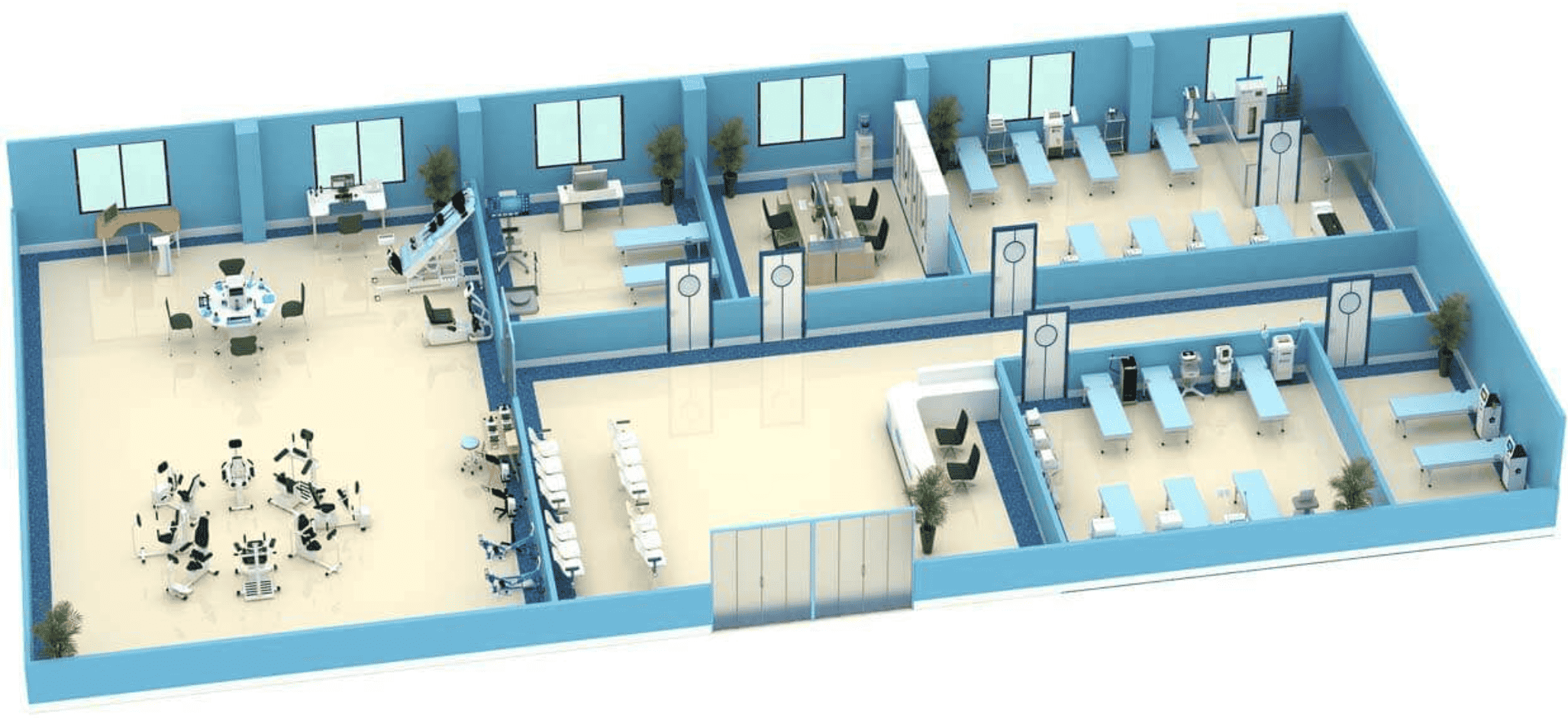
Orthopedic rehabilitation physiotherapy serves patients with motor dysfunction resulting from damage to the musculoskeletal system, including bones, muscles, tendons, joints, ligaments and articular cartilage. Common rehabilitation challenges among these patients include muscle atrophy, scar adhesion, fibrous tissue contracture, muscle weakness, limited joint range of motion, osteoporosis, osteoarthritis, pressure ulcers, deep vein thrombosis, persistent pain, abnormal gait and impaired self-care ability. A wide range of physiotherapy interventions are adopted to help patients regain full physical function.
Orthopedic rehabilitation is a staged, systematic treatment process formulated by a multidisciplinary team of orthopedic surgeons and physiotherapists. It applies to trauma rehabilitation, postoperative orthopedic recovery, degenerative joint diseases and sports injuries.
The whole workflow covers comprehensive musculoskeletal assessment, pain management, manual therapy, exercise training, physical agent modalities, gait correction and patient education. Treatment follows a gradual principle: starting from swelling control and wound care in the acute phase, moving on to strength training and joint mobilization in the recovery phase, and finally functional training for daily activities and work return.
Customized rehabilitation plans help relieve pain, prevent complications, restore joint mobility and muscle power, correct abnormal walking patterns, shorten recovery cycles, and enable patients to return to daily life, work and sports safely.
Main equipment for orthopedic rehabilitation
Orthopedic rehabilitation is a systematic process, and selecting appropriate rehabilitation equipment is crucial. The core principle is to choose devices based on individual injury type, rehabilitation stage, and specific goals—under the guidance of a professional rehabilitation physician or therapist. Common orthopedic rehabilitation equipment can generally be divided into three major categories: assistive mobility and support devices, joint and muscle function training devices, and physical therapy and supportive immobilization devices.
Orthopedic rehabilitation is a systematic process, and selecting appropriate rehabilitation equipment is crucial. The core principle is to choose devices under the guidance of a professional rehabilitation physician or therapist, based on the individual's type of injury, stage of recovery, and specific goals. Common orthopedic rehabilitation equipment can generally be divided into three major categories: assistive mobility and support devices, joint and muscle function training devices, and physical therapy and supportive immobilization devices.
Assistive Mobility and Support Devices: Ensuring Safety,
Restoring Confidence
These devices are primarily used to assist standing and walking, prevent falls, and serve as essential tools during the early and recovery phases of rehabilitation.
Joint and Muscle Function Training Devices: Restoring Range of Motion, Rebuilding Strength.
These are central to rehabilitation, aiming to restore normal joint range of motion and muscle strength.
1. Range-of-motion trainers: Used to restore flexion, extension, and rotational functions of joints.
2. CPM machines (Continuous Passive Motion devices): Mechanically move the affected limb through pain-free passive motion, commonly used in the early postoperative period to prevent joint adhesions.
3. Adjustable joint braces: Such as knee braces with adjustable "clamps" that precisely lock joint angles, enabling "progressive rehabilitation," often used after ligament reconstruction or meniscus surgery.
4. Strength training tools: Designed to enhance muscular strength.
5. Resistance bands/elastic bands: Color-coded to indicate resistance levels, suitable for all stages from light activation to high-intensity resistance training.
6. Weighted sandbags/dumbbells: Used to increase load for strength training.
7. Balance pads/yoga balls: Help train proprioception and core stability, improving balance.
8. Active training equipment: Such as rehabilitation bicycles (stationary bikes), used to restore active movement capacity and endurance in lower-limb joints.
Physical Therapy and Support Immobilization Devices:
Alleviating Symptoms, Stabilizing Joints
These devices are primarily used for immobilization, protection, and pain relief.
1. Orthotic/immobilizing braces: Provide external support and protection to injured areas, preventing secondary injuries.
2. Neck collars/lumbar belts: Offer support and restrict improper movements following cervical or lumbar spine injuries or surgeries.
3. Shoulder/ankle braces: Used to immobilize and protect specific joints.
Physical Therapy machine:
1. Neuromuscular Electrical Stimulator (EMS): Delivers electrical current to stimulate muscle contractions, helping prevent muscle atrophy and promote postoperative muscle strength recovery.
2. Heat/cold therapy devices: Such as heating pads and ice packs, used to relieve pain and reduce swelling.
3. Ultrasound therapy units: Promote local blood circulation and aid tissue repair.
Gynecology and Postpartum Rehabilitation Physiotherapy Program
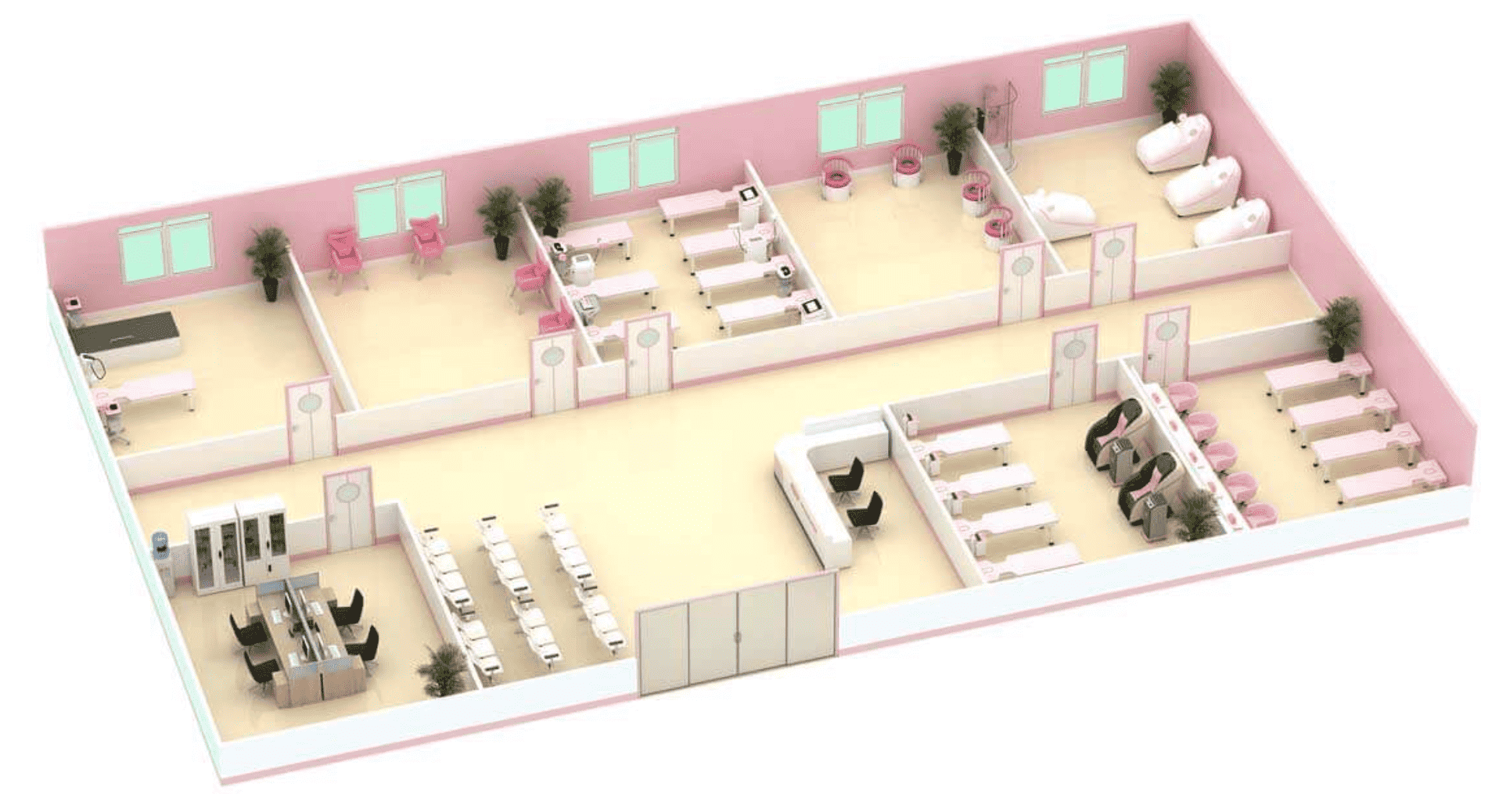
This program delivers proactive and systematic rehabilitation physiotherapy guidance and training. It covers consultation, counselling and intervention for postpartum mental health, together with recovery management of the uterus, vagina, pelvic floor muscles, breast care, body contouring, endocrine regulation and nutritional support. The overall goal is to help women achieve rapid and holistic physical and mental recovery after delivery.
Postpartum rehabilitation is a personalized staged care system implemented by a multidisciplinary team including gynecologists, physiotherapists and counselors. The program focuses on pelvic floor assessment and training, abdominal muscle repair, pain relief, posture correction, breastfeeding guidance and psychological counselling.
We adopt biofeedback therapy, electrical stimulation, manual therapy and targeted exercise training to improve pelvic floor function, relieve urinary incontinence and pelvic organ prolapse, repair diastasis recti, alleviate back pain, regulate endocrine balance and reshape body posture. Scientific intervention helps reduce postpartum complications, restore bodily functions, and improve women’s long-term quality of life.
Main equipment for gynecology and postpartum rehabilitation
1. Pelvic Floor Biofeedback & Electrical Stimulation Therapy Device
Pelvic floor rehabilitation equipment with biofeedback and electrotherapy functions, used to assess and treat pelvic floor dysfunction, urinary incontinence and pelvic organ prolapse.
2. EMS Pelvic Floor Chair
Non-contact electromagnetic pelvic floor training chair, triggers passive contraction of pelvic floor muscles, ideal for clinic postpartum recovery.
3. Postpartum Comprehensive Rehabilitation System
Multi-functional integrated rehabilitation machine for uterus conditioning, breast care, abdominal muscle separation repair and pain relief.
4. Kegel Exerciser / Pelvic Muscle Trainer
Silicone pelvic training balls for graded pelvic floor muscle training, portable for home and clinical use.
5. Physical Therapy Equipment
Infrared therapy lamp, shockwave therapy machine, resistance bands and foam rollers for posture correction, pain management and core training.
Critical Care Medicine Rehabilitation Physiotherapy Program
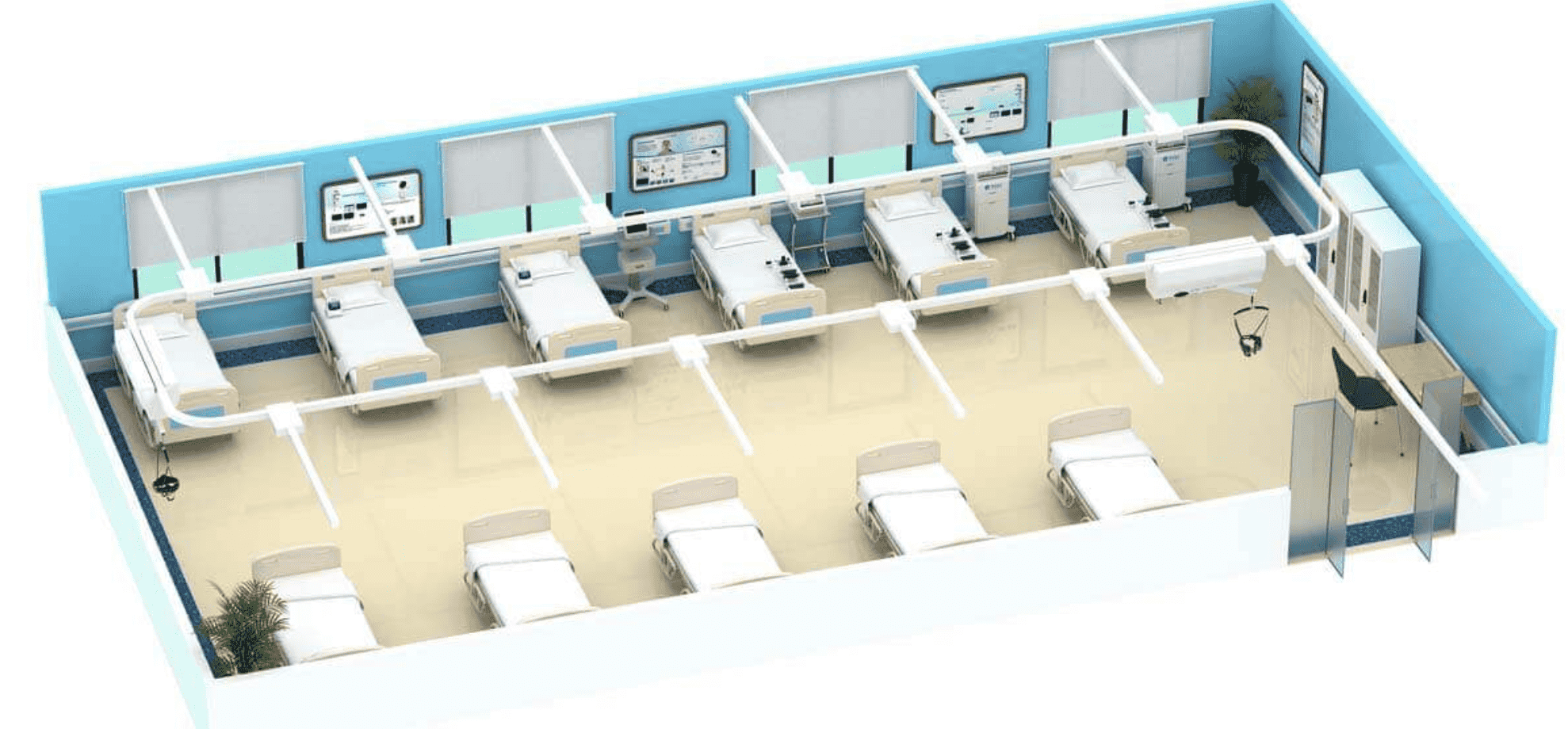
Critically ill patients present complex and unique physical conditions. Early rehabilitation physiotherapy intervention shall be initiated with suitable rehabilitation techniques, after comprehensive patient evaluation, effective control of primary disease and complications, and guarantee of clinical safety. This strategy helps minimize complications, activate patients’ rehabilitation potential and facilitate functional recovery.
The program covers multi-dimensional rehabilitation for ICU patients, including early mobilization, dysphagia management, venous thromboembolism prophylaxis, muscle strength maintenance and neuromuscular function reconstruction.
1. Early mobilization & patient transfer: Suspended weight support system, Ergo Trainer
2. Swallowing dysfunction intervention: Swallowing neuromuscular electrical stimulator, tongue muscle assessment & training unit, laryngeal muscle assessment & training device
3. Venous thrombosis prevention: Pneumatic compression therapy system, intelligent lower limb joint rehabilitation equipment
4. Muscle strength & motor function recovery: Neuromuscular low-frequency electrical stimulator, low-frequency pulse spasm relief device, EMG biofeedback stimulator
Delivered by a multidisciplinary ICU rehabilitation team, the staged rehabilitation program starts while patients are still bedridden. It prevents ICU-acquired weakness, preserves joint mobility, protects swallowing function, reduces the risk of deep vein thrombosis, shortens hospital stay, and improves patients’ long-term functional outcomes after leaving intensive care.
Elderly Rehabilitation Physiotherapy Program
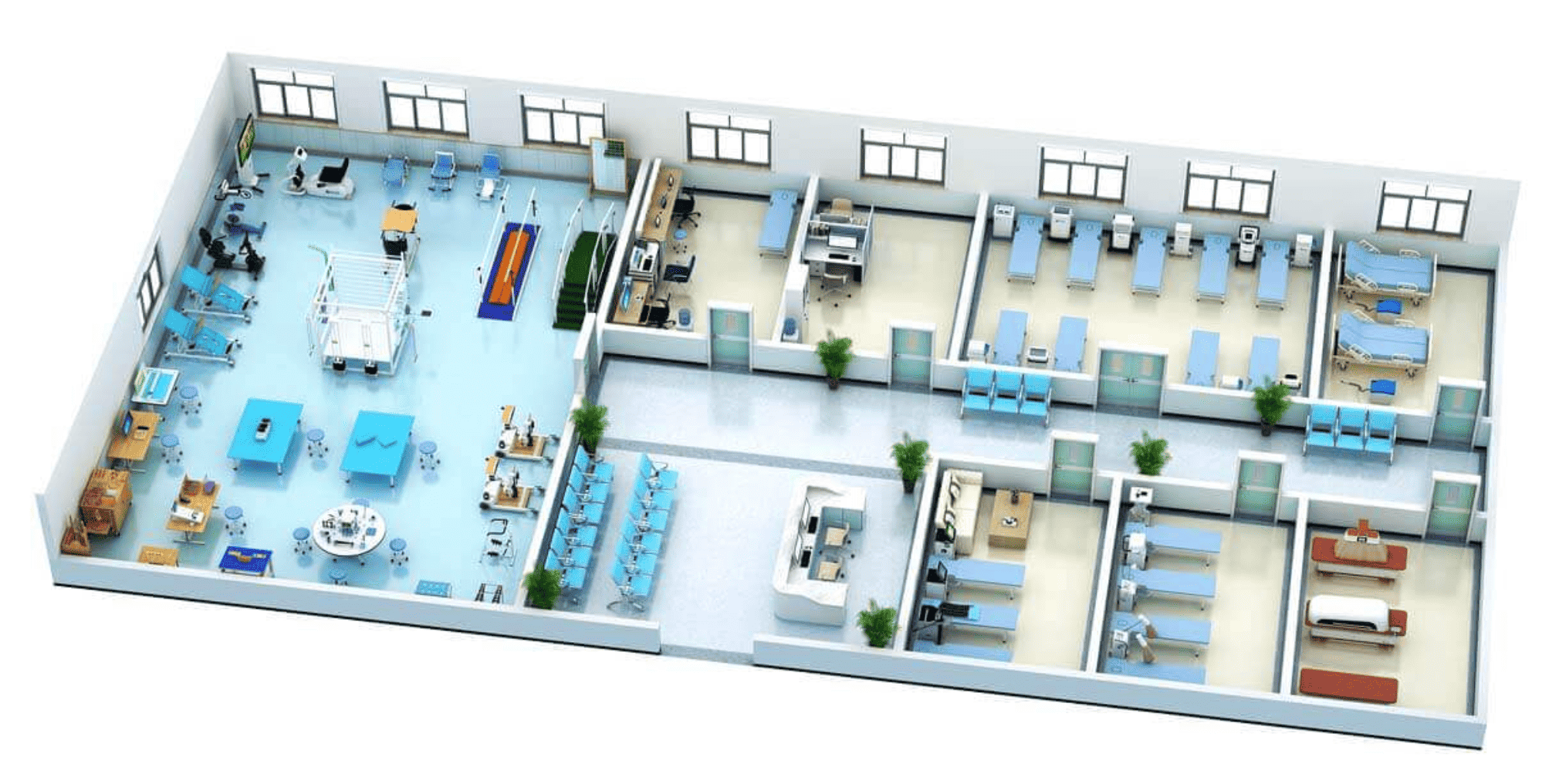
With the deepening of social aging, the demand for rehabilitation medicine among middle-aged and elderly populations and patients with chronic diseases has become increasingly prominent, presenting diversified, long-term and personalized characteristics.
I. Core Functional and Daily Living Capacity Needs
1. Chronic Disease Management and Complication Prevention
• For chronic illnesses including hypertension, diabetes, coronary heart disease and COPD, cardiopulmonary rehabilitation and diabetes rehabilitation are required. Exercise training, dietary guidance and patient education help control disease progression and reduce acute attacks and hospital admissions.
• Prevent secondary damage such as muscle atrophy, joint contracture, pressure ulcers and deep vein thrombosis caused by illness or prolonged bed rest.
2. Motor Function Recovery and Pain Management
• Orthopedic rehabilitation: Address osteoarthritis, osteoporosis, fractures (especially hip fractures) and post joint-replacement conditions to restore joint range of motion, muscle strength and walking ability.
• Pain rehabilitation: Manage chronic pain such as neck, shoulder, low back pain and neuropathic pain. Non-pharmacological approaches including physical therapy, exercise therapy and manual therapy are applied to relieve pain and reduce reliance on painkillers.
3. Neurological Rehabilitation
This is one of the most critical demands in an aging society. For patients with stroke sequelae, Parkinson’s disease, Alzheimer’s disease and cognitive impairment, we provide:
• Motor re-learning (hemiplegia rehabilitation)
• Speech and swallowing training
• Cognitive training (attention, memory, executive function, etc.)
• Balance and fall prevention training
II. Psychological and Social Needs
1. Psychological and Emotional Support
Alleviate depression, anxiety, loneliness and stigma arising from illness, loss of function and changes in social roles. Psychological counselling, group therapy and family support are provided.
2. Nutrition and Frailty Management
For geriatric frailty syndrome and sarcopenia, nutritional assessment, intervention and resistance training are carried out to improve physical stamina and immunity and avoid disability.
III. Special and Emerging Needs
1. Continuous and Transitional Rehabilitation
Full-cycle rehabilitation services covering the acute phase (hospital), recovery phase (rehabilitation center) and stable phase (community/home) are essential. The transitional period from hospital to home is particularly vital for preventing readmission.
2. Preventive Rehabilitation and Health Promotion
A growing number of healthy or sub-health elderly people recognize the importance of "active health" before functional decline. Services include:
• Fall prevention training
• Physical fitness guidance
• Cognitive maintenance training
3. Technological and Smart Rehabilitation
Acceptance and demand for remote rehabilitation guidance, wearable monitoring devices, home-based intelligent rehabilitation equipment and virtual reality (VR) training keep rising.
Intelligent Physiotherapy Equipment
Walking Rehabilitation Equipment
Upper Limb Rehabilitation Equipment
Lower Limb Rehabilitation Equipment
Whole Body Rehabilitation Equipment