

5 common physical therapy machines

5 common physical therapy machines
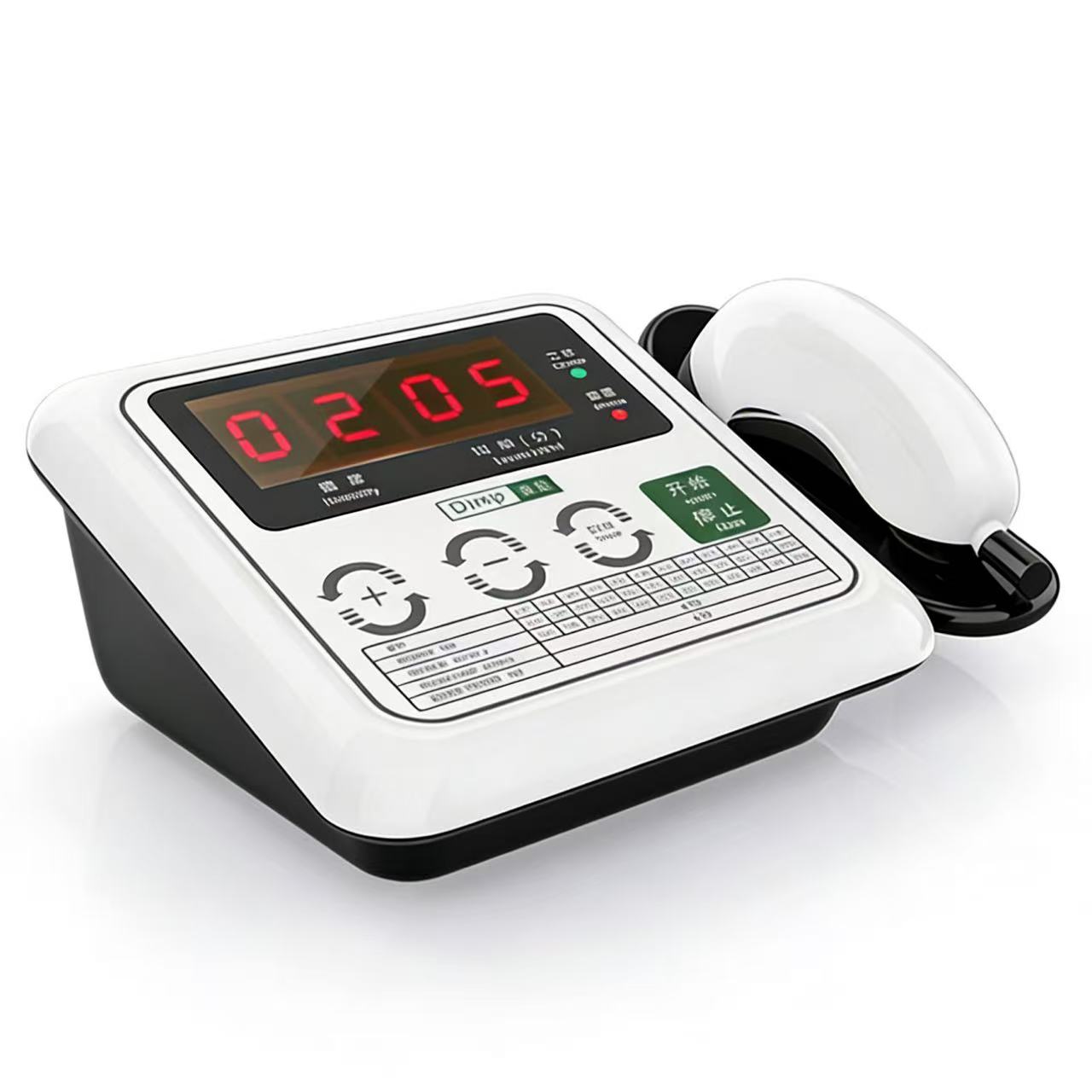
Physical therapy is an essential part of rehabilitation for musculoskeletal injuries, chronic pain and post-surgical recovery. Main five therapy machines are Shortwave Therapy, Therapeutic Ultrasound, Shockwave Therapy, Infrared Therapy and Electrotherapy. They work on different principles, reach different tissue depths, and are indicated for distinct conditions. Choosing the right therapy requires assessment by a professional therapist or physician.
- Shortwave Therapy
- Mechanism: High-frequency electromagnetic waves that deliver deep heating to tissues.
- Frequency: 27.12 MHz (within the shortwave range)
- Penetration depth: Around 3–5 cm
- Core benefits: Deep thermotherapy, boost blood circulation, relieve pain and muscle tension, accelerate tissue metabolism.
- Common applications: Osteoarthritis, chronic low back pain, soft tissue injury, joint stiffness.
- Evidence note: A 2023 systematic review from Cochrane (68 studies) found shortwave diathermy may reduce pain and improve function in people with musculoskeletal disorders, with low-to-moderate certainty of evidence.
- Therapeutic Ultrasound
- Mechanism: Mechanical vibration generating thermal and non-thermal mechanical effects.
- Frequency: 0.8–3 MHz (1 MHz and 3 MHz are most common)
- Penetration depth: Around 1–3 cm
- Core benefits: Mild warming effect, promote soft tissue repair, reduce inflammation, improve tissue elasticity.
- Common applications: Tendinitis, ligament sprains, muscle strain, scar adhesion.
- Evidence note: The 2021 Cochrane review confirmed therapeutic ultrasound can relieve pain and improve joint function in osteoarthritis in the short term, with moderate-quality evidence.
- Extracorporeal Shockwave Therapy (ESWT)
- Mechanism: High-energy acoustic waves that deliver mechanical impact force to target tissues.
- Energy range: 0.05–0.4 mJ/mm² (common clinical range)
- Penetration depth: Around 2–6 cm
- Core benefits: Mechanical stimulation, stimulate angiogenesis and tissue repair, ease chronic pain, trigger tissue remodelling.
- Common applications: Plantar fasciitis, Achilles tendinopathy, tennis elbow, shoulder calcific tendinitis, chronic myofascial pain.
- Evidence note: A 2022 BMJ systematic review (121 RCTs) showed shockwave therapy delivers significant pain relief and functional improvement for tendinopathy such as plantar fasciitis, with moderate evidence quality.
- Infrared Therapy
- Mechanism: Light energy converted into mild heat.
- Wavelength: 0.75–1000 μm (near-infrared is widely used)
- Penetration depth: Around 0.5–2 cm
- Core benefits: Superficial tissue heating, dilate blood vessels, enhance local circulation, relax tight muscles.
- Common applications: Muscle soreness, joint stiffness, mild soft tissue injury, post-operation recovery.
- Evidence note: The 2017 World Physiotherapy guideline states infrared therapy helps ease muscle pain and stiffness, while optimal dosage and protocols need further high-quality research.
- Electrotherapy (TENS / NMES etc.)
- Mechanism: Low or medium-frequency electrical current to stimulate nerves and skeletal muscles.
- Frequency: 1–10000 Hz (varies by therapy type)
- Penetration depth: Superficial to mid-layer tissues
- Core benefits: Neuromodulation, pain relief, trigger muscle contraction, improve local circulation.
- Common applications: Acute & chronic pain, muscle spasm, nerve injury rehabilitation, post-surgical functional recovery.
- Evidence note: A 2020 Cochrane review shows transcutaneous electrical nerve stimulation (TENS) can offer mild pain relief for chronic musculoskeletal pain, with low-to-moderate certainty evidence.
Key Comparison Summary
Modality Main Action Depth Best For
Shortwave 3–5 cm deep heating Deep joint & soft tissue chronic issues
Therapeutic Ultrasound 1–3 cm Tendons, ligaments, scar tissue
Shockwave 2–6 cm Chronic tendinopathies, fasciitis
Infrared 0.5–2 cm superficial Surface muscle soreness, stiffness
Electrotherapy Superficial to mid-layer Nerve pain, muscle spasm, muscle re-education
Important Disclaimer
All these physical therapy machines are medical interventions. Do not self-administer treatment without evaluation from a qualified physiotherapist or doctor. Treatment plans should be personalised according to diagnosis, injury stage and patient health status.
Intelligent Physiotherapy Equipment
Walking Rehabilitation Equipment
Upper Limb Rehabilitation Equipment
Lower Limb Rehabilitation Equipment
Whole Body Rehabilitation Equipment